After two decades of decline, the number of executions in the United States began rising sharply again in 2025. Last year, 47 people were put to death – the highest number in more than 15 years. So far in 2026, another 31 people have been executed.
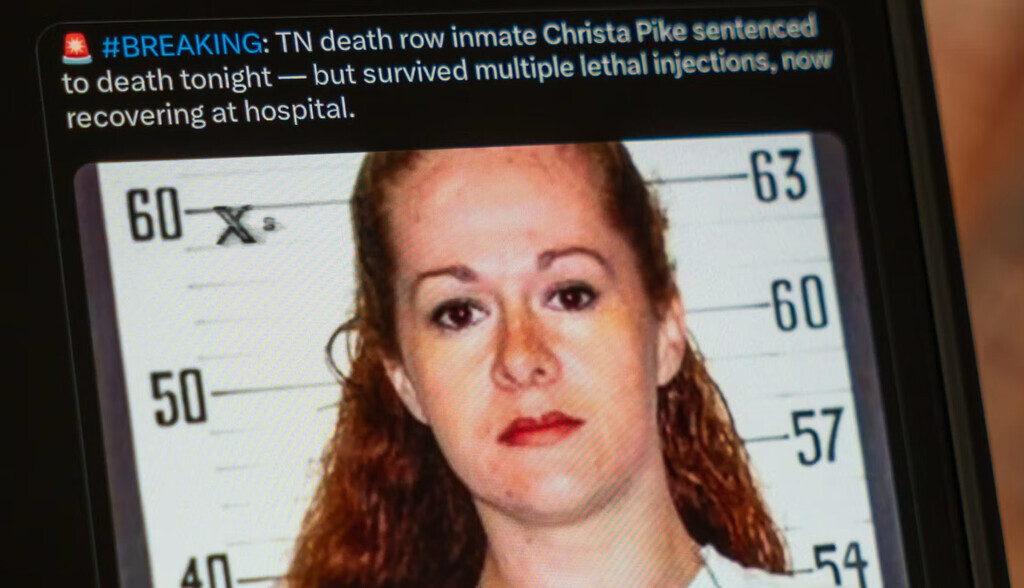
The resurgence comes amid renewed controversy over capital punishment, following the failed execution of Christa Pike in Tennessee and a proposal to livestream a military execution, which President Donald Trump subsequently walked back.
But according to Carolyn Strange, emeritus professor of history at the Australian National University, these controversies have striking precedents in American history.
Pike is not the first person to survive an execution attempt. In 1946, Willie Francis survived the electric chair in Louisiana. After an unsuccessful legal challenge, the state executed him in 1947.
Strange says the history of capital punishment in the US is marked by repeated attempts to make executions more humane – or at least appear that way. From the electric chair to lethal injections, new methods were introduced with the promise of making death quicker and more efficient.
Lethal injection, for example, has the appearance of an ordinary medical procedure. “It seems normal, it seems clean, it seems clinical, civilised,” Strange says.
Yet Pike’s case raises questions about whether the method has lived up to that promise.
Strange also argues it’s misleading to talk about a single American approach to the death penalty.
It’s really better to talk about the death penalty in the disunited states.
While some states abolished capital punishment more than a century ago, others continue to embrace it. Florida, under governor Ron DeSantis, has been responsible for a substantial share of the recent rise in executions. In 2025, Florida carried out 19 executions – 40% of the year’s total.
And while support in the US for the death penalty has declined over recent decades, the issue remains deeply divisive. For Strange, the history of capital punishment reveals something fundamental about American politics:
The most important thing is that capital punishment and the death penalty is about politics, not justice.
Disclosure statement
Carolyn Strange does not work for, consult, own shares in or receive funding from any company or organisation that would benefit from this article, and has disclosed no relevant affiliations beyond their academic appointment.
Credits
This episode of The Conversation Weekly was written and produced by Grace Jennings-Edquist and Justin Bergman, with production help from Gemma Ware and Isabelle Podwinski. Mixing by Dan Semo and theme music by Neeta Sarl.
Newsclips in this episode from PBS News Hour, WSMV, KCRA 3 and CBS News.
Listen to The Conversation Weekly via any of the apps listed above, download it directly via our RSS feed or find out how else to listen here. A transcript of this episode is available via the Apple Podcasts or Spotify apps.
Grace Jennings-Edquist, Executive Producer, Podcasts, The Conversation y Justin Bergman, International Affairs Editor, The Conversation
This article is republished from The Conversation under a Creative Commons license.